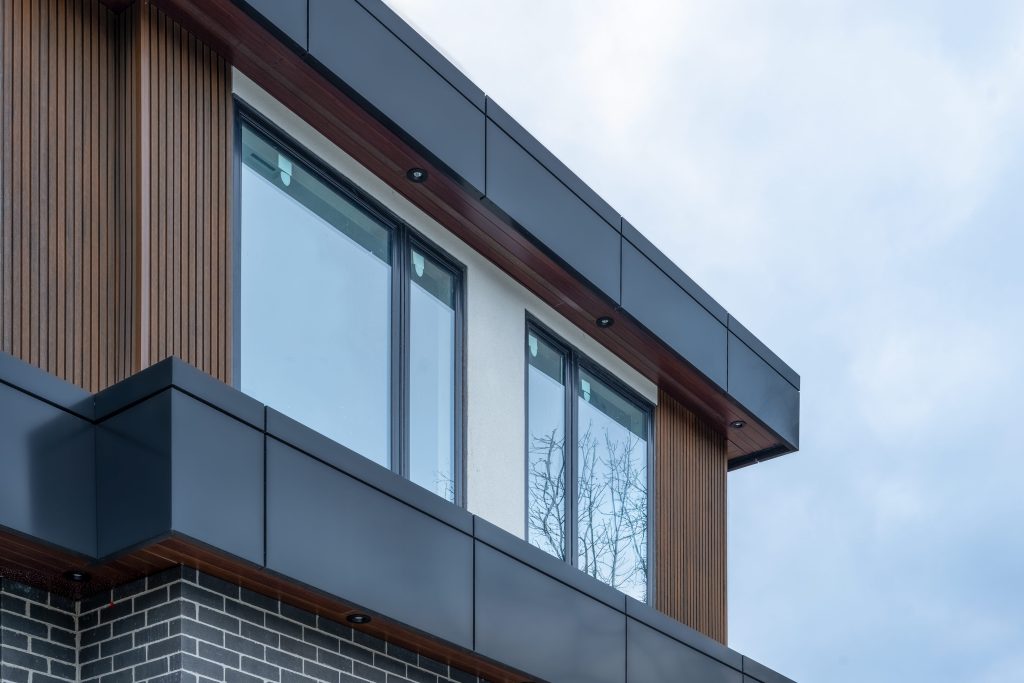

Have you ever noticed those sleek and stylish buildings that seem to shine in the sunlight, almost like they’re made of metal? Well, they might just be!
Aluminum wall cladding is a popular choice for making homes look modern and cool. It’s like giving your house shiny new armor that protects it from the weather and makes it look super trendy.
What is Aluminum Wall Cladding?
Aluminum wall cladding is a protective and decorative layer that is installed on the exterior walls of buildings. It involves attaching aluminum panels to the building’s structure.
The best part is that it’s lightweight, so it doesn’t weigh down the walls, and its super durable, so it lasts a long time.
Different Types of Aluminum Wall Cladding
There are a few different types of aluminum Wall cladding to choose from
Standard Aluminum Cladding:
- Aluminum Composite Material (ACM): They are widely used in aluminum wall cladding, featuring two aluminum skins bonded to a core material (PE or mineral-filled cores).
- Aluminum Plate Panels: Solid aluminum sheets are used for these types of panels, providing excellent durability and strength. They are often used in high-traffic areas or specialized applications.
- Aluminum Honeycomb Panel: They consist of a lightweight honeycomb core structure sandwiched between two aluminum skins. So, it provides a superior strength-to-weight ratio and insulation properties. This type is fantastic for exterior wall cladding or windy areas because it’s super sturdy and reliable.
- Aluminum Perforated Panel: They have a creative perforated pattern on the aluminum skin. It creates an excellent visual effect and is great for making a building look more open and transparent.
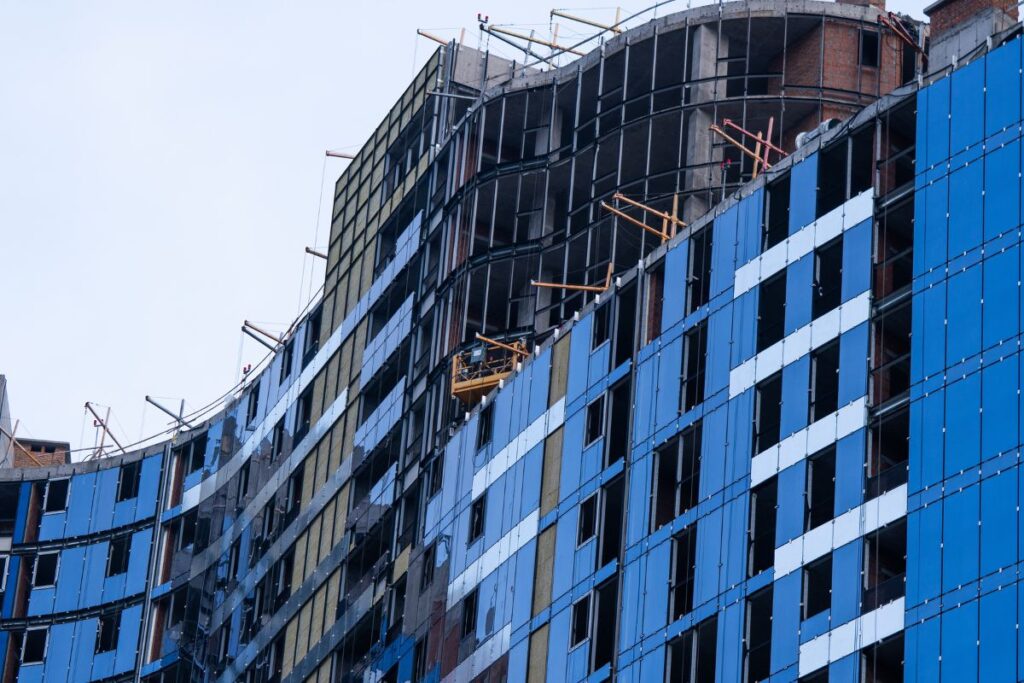
Aluminum Wall Panels Exterior Benefits
- Durability: Aluminum doesn’t rust, so your house will look good as new for a long time.
- Lightweight: It’s much lighter than other materials, which makes it quicker and cheaper to install.
- Design Options: You can choose from many colors and textures to make your home look exactly how you want.
- Low Maintenance: Cleaning is super easy – just soap and water!
- Safety: Some types of cladding are fire-resistant, which gives you extra protection.
- Environmentally Friendly: Aluminum can be recycled, which is excellent for the planet and is something that eco-conscious people really like.
Components of Aluminum Cladding
1. Aluminum Skin
This outer layer is the first thing everyone sees. It’s made from aluminum, which remains smooth and shiny for a long time.
Also, you can choose from a variety of colors and textures to give your house the exact look you want.
2. Core Material
Under the aluminum skin is the vital core. This part is made from something sturdy like solid plastic or a unique honeycomb pattern.
It’s like the muscles of the cladding, keeping it from bending or warping.
3. Protective Coating:
To make the aluminum skin even more durable, a particular type of paint is often applied.
This coating protects the aluminum from things like sun rays and rain, so it stays looking new for much longer.
Aluminum Wall Cladding Details and Size Guides
Aluminum wall cladding comes in various types, each offering unique features and aesthetics.
| Type of Panel | Length (mm) | Width (mm) |
| Flat Panels | 2400 | 1200 |
| Corrugated Panels | 3000 | 900 |
| Perforated Panels | 2400 | 600 |
| Composite Panels | 3200 | 1500 |
How to Install Aluminum Wall Cladding?
Installing aluminum cladding is like putting together a giant puzzle. Here are the steps:
1. Surface and Substrate Preparation:
- First, you need to clean and smooth the walls.
- Inspect the substrate for any irregularities or damage and make necessary repairs.
- Apply a compatible waterproofing membrane or vapor barrier if required.
2. Handling and Cutting Panels:
- Handle the aluminum wall cladding panels with care to prevent damage or scratches.
- Use appropriate cutting tools to cut the panels to the desired size and shape.
- Follow the manufacturer’s guidelines for cutting and handling the panels.
3. Fastening and Anchoring:
- Install a suitable sub-framing system or furring strips to provide a solid base for attaching the panels.
- Use the recommended fasteners and anchors specified by the panel manufacturer.
4. Panel Installation:
- Start panel installation from the bottom and work your way up.
- Engage the panel’s interlocking as per the manufacturer’s guidelines.
- Maintain the recommended joint spacing between panels to allow for thermal expansion and contraction.
5. Sealing and Finishing Touches:
- Apply appropriate sealants at panel joints to ensure a weathertight
- Install trim pieces, flashings, and other accessories as required for a polished and finished look.
- Conduct a final inspection to ensure proper installation and address any issues or deficiencies.
Cost of aluminum wall panels
The aluminum wall cladding price depends on the type and installation complexity.
While some types are more expensive, they are long-lasting and require minimal maintenance, leading to long-term cost savings.
Aluminum wall cladding is an excellent option for anyone wanting to give their home a modern and stylish update. It’s an investment that will keep your property looking great for years.