
Exterior building systems in commercial buildings, commonly referred to as commercial cladding, serve a critical role in protecting, insulating, and enhancing the aesthetic appeal of modern structures. Commercial wall panels and commercial siding are the primary components that shield properties from environmental factors such as harsh weather, UV radiation, and urban pollution.
For high-traffic, large-scale commercial buildings, durability and regulatory compliance are essential. The selection of materials directly influences energy efficiency, fire safety, and long-term maintenance costs. This guide examines leading materials and key considerations for choosing an optimal commercial wall panel solution. Always consult with a cladding material supplier near you to learn what is best for your project.
Understanding Commercial Wall Panels and Systems
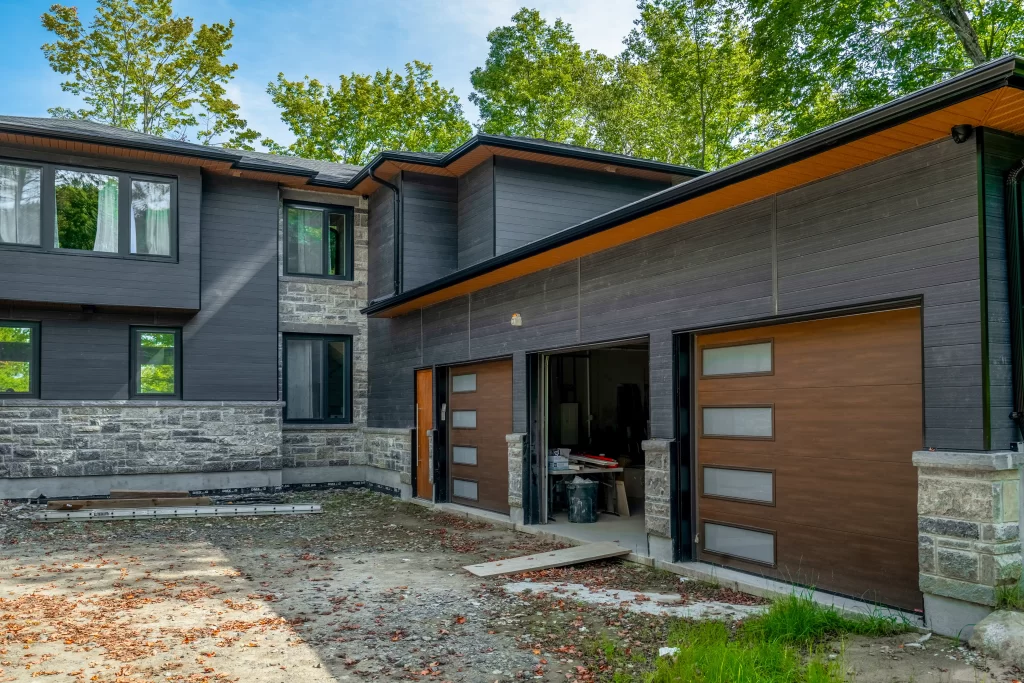
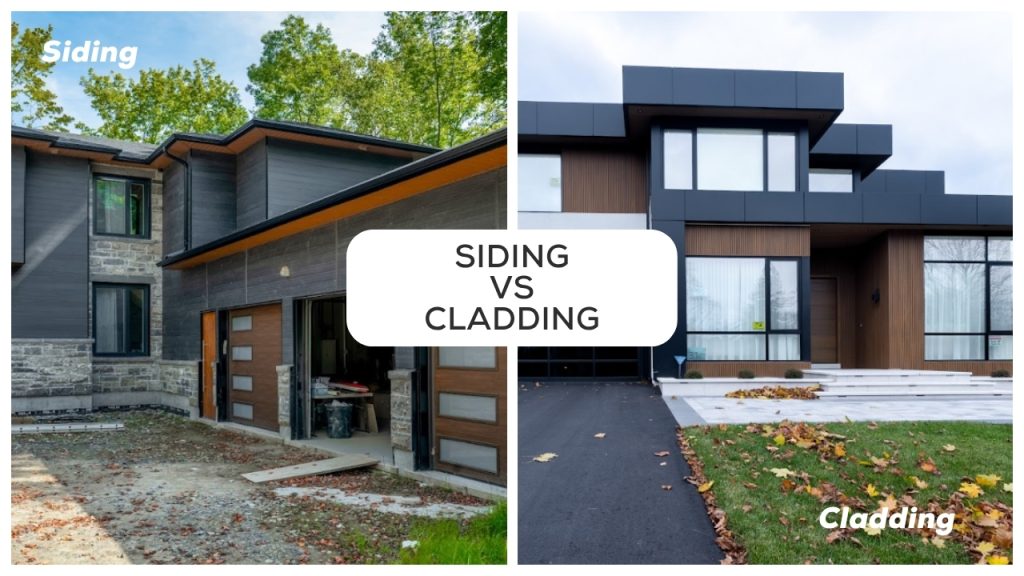
Commercial cladding encompasses the outer protective layer of a building, while commercial wall panels typically refer to large, custom-fabricated components that provide a sleek, modern appearance. On the other hand, the Commercial siding often involves linear, plank-style applications.
A well-designed exterior system, including panels, framing, and insulation, can lead to substantial operational savings. Research indicates that systems incorporating continuous exterior insulation (CI) can achieve energy savings of 15% to 30% by establishing an effective thermal break and reducing moisture intrusion.
Key Materials for Commercial Wall Panels
The following materials are commonly used in commercial construction, each offering distinct advantages for various applications:
- ACM (Aluminum Composite Material) Panels: Lightweight sheets consisting of two aluminum skins bonded to a solid core. ACM Panels are suitable for modern, large-format facades.
- WPC (Wood Polymer Composite): An eco-friendly combination of wood fibers and polymers, replicating natural wood while providing superior resistance to rot and pests. WPC is ideal for achieving a natural aesthetic with minimal maintenance.
- Aluminum Siding/Planks: Durable, non-combustible metal planks used for linear designs, with excellent corrosion resistance. Learn More About Aluminum Siding.
- Fiber Cement: Highly durable and fire-resistant material, versatile in texture and finish.
- Steel/Metal Panels: Robust and long-lasting, primarily for industrial facilities and warehouses.
- High-Pressure Laminate (HPL): Dense panels known for superior UV and water resistance.
- Traditional Options: Brick, stone, stucco, and wood.
In-Depth Analysis of Leading Commercial Panel Materials
| Material | Pros (Advantages) | Cons (Challenges) | Critical Commercial Considerations |
|---|---|---|---|
| ACM Panels | Lightweight, versatile design, durable finish, and cost-effective in the long term. Easy fabrication. | Susceptible to dents/impact damage. Custom colors can be expensive. | Mandatory use of **FR (Fire Retardant) or A2 (Non-combustible) cores** for high-rise compliance. |
| WPC | Eco-friendly, naturally resistant to rot/pests/moisture, low maintenance, offers a natural aesthetic. | Significant **thermal expansion** (requires engineered clip systems). Higher initial cost than basic siding. | Excellent choice for sustainable projects and retail spaces seeking wood aesthetics. |
| Aluminum Siding | **Non-combustible**, corrosion-resistant, recyclable, generally affordable, low maintenance. | Prone to minor dents/scratches. Can experience **oil-canning** (visual waviness) if not properly installed. | Ideal for harsh climates where salt or moisture exposure is high. |
| Fiber Cement | Highly durable, **exceptional fire resistance**, resists insects and rotting, versatile textures. | Heavy, brittle (can crack under severe impact), requires specialized handling and installation tools. | Best for high-traffic areas or zones requiring **maximum fire resistance**. |
| Vinyl (PVC) | Lowest initial cost, simple installation, low upkeep. | Lowest durability for commercial use, brittle in extreme cold, high environmental concerns. | Generally limited to **low-rise, budget-focused** commercial projects. |
Selecting appropriate commercial wall cladding involves balancing aesthetic objectives with performance requirements, particularly adherence to the National Building Code (NBC) of Canada.
- Fire Safety and Code Compliance: This is the foremost consideration for large commercial wall panels. For high-rises or institutional buildings, materials must meet stringent non-combustibility standards. When using ACM panels or HPL, ensure the core material is fire-retardant (FR) or non-combustible to comply with local and national safety codes. Non-combustible options like aluminum, steel, and fiber cement provide inherent benefits in this area.
- Durability and Maintenance Commercial projects require materials that reduce long-term costs. Low-maintenance options such as ACM, WPC, and aluminum with high-quality coatings offer excellent UV resistance and need only periodic cleaning. For impact-prone areas, consider steel or thick fiber cement.
- Thermal Performance (Energy Efficiency) The commercial wall panel acts as a protective barrier, not the primary insulator. Its effectiveness depends on integration with continuous insulation (CI). High-performance systems feature a vented cavity (rainscreen) behind the panel to manage moisture and preserve thermal efficiency.
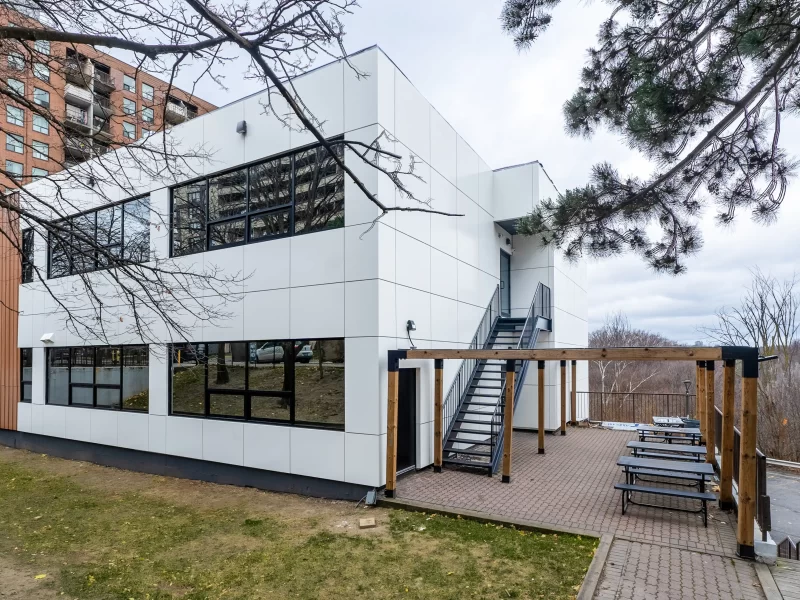
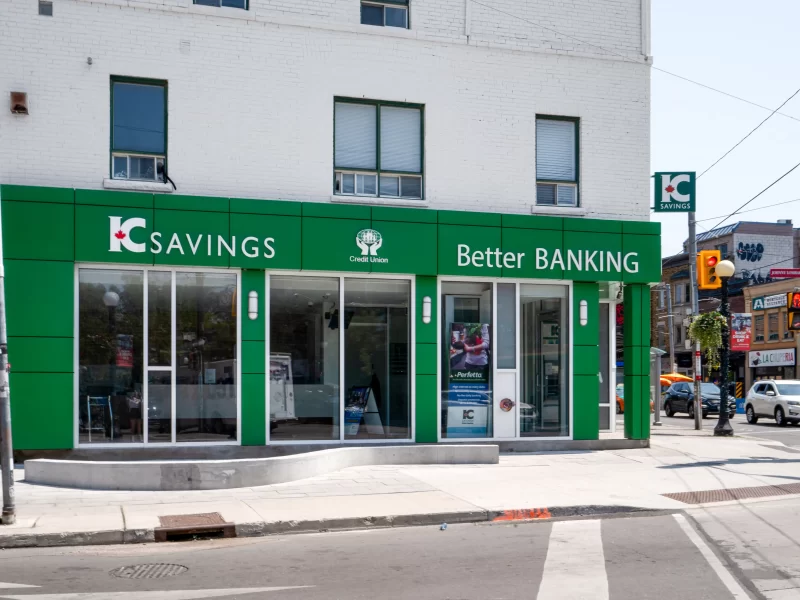
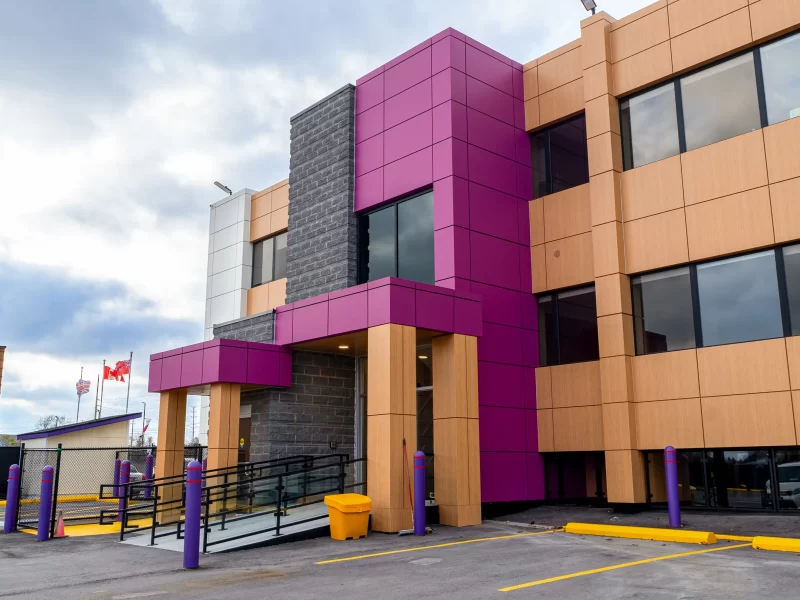
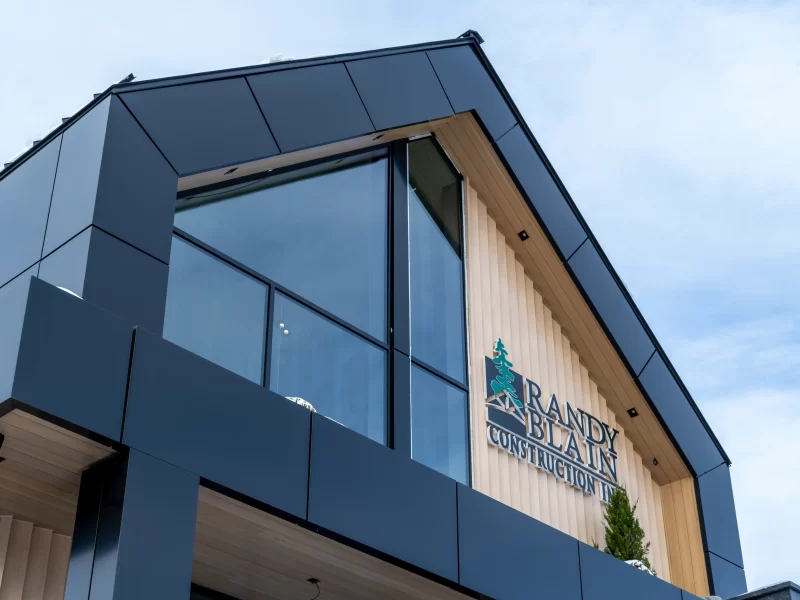
Some of Our Projects in Commercial Cladding Applications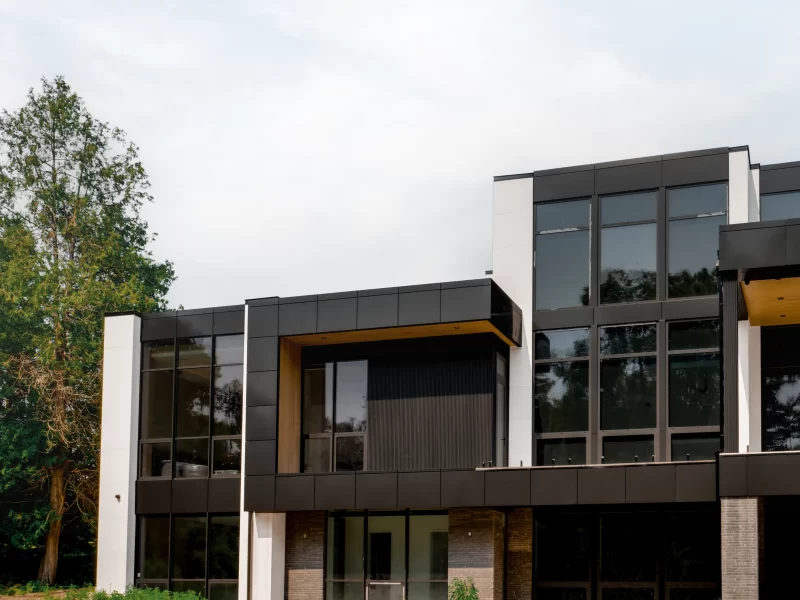


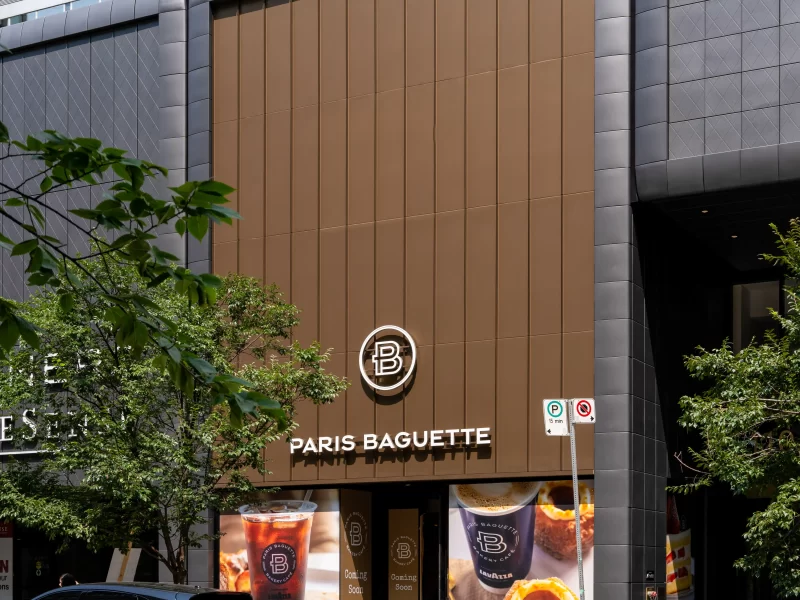
Trends and Customization in Commercial Cladding
The commercial wall panels market is evolving toward greater sustainability and flexibility:
- Sustainable Solutions: There is growing adoption of WPC and materials with high recycled content, such as aluminum, to support Green Building certifications.
- Large-Format Panels: Preference for clean, minimalist designs using large-format ACM panels and HPL continues to rise.
- Smart Cladding: Emerging technologies embed sensors in panels for monitoring temperature, moisture, and structural integrity, enabling predictive maintenance.
- Mixed Materials: Combining earthy colors and sustainable options like bio-based composites is a key trend for 2026.
As a leading supplier in Canada, Wiedehopf specializes in custom commercial wall cladding fabrication using advanced CNC technology, ensuring precision for complex architectural designs in ACM and other materials.
Installation Best Practices
Proper installation is vital for maximizing the benefits of commercial siding and cladding. Engage certified installers familiar with NBC requirements to ensure airtight seals and proper ventilation. For WPC, use engineered clip systems to accommodate thermal expansion. Regular inspections post-installation can prevent issues like moisture buildup.
Cost vs. Value Analysis
Initial costs for premium materials like ACM or WPC may be higher (ranging from $10–$25 per square foot, depending on specifications), but they offer superior ROI through energy savings and reduced maintenance. For instance, fiber cement’s fire resistance can lower insurance premiums in high-risk areas.
Frequently Asked Questions
- What is the difference between commercial cladding and siding? Cladding is a broad term for exterior coverings, while siding typically refers to plank-style materials.
- How do commercial wall panels contribute to energy efficiency? By integrating with CI systems, they minimize thermal bridging and can save up to 30% on energy costs.
- Are there sustainable options for commercial wall cladding? Yes, WPC and recycled aluminum are popular for eco-friendly projects.
Conclusion
The appropriate commercial wall panel system promotes longevity, minimizes maintenance, and provides significant energy savings, combining essential protection with aesthetic value. Whether opting for the modern appeal of ACM panels or the natural finish of WPC siding, choosing robust, code-compliant materials forms the basis of a successful commercial exterior.