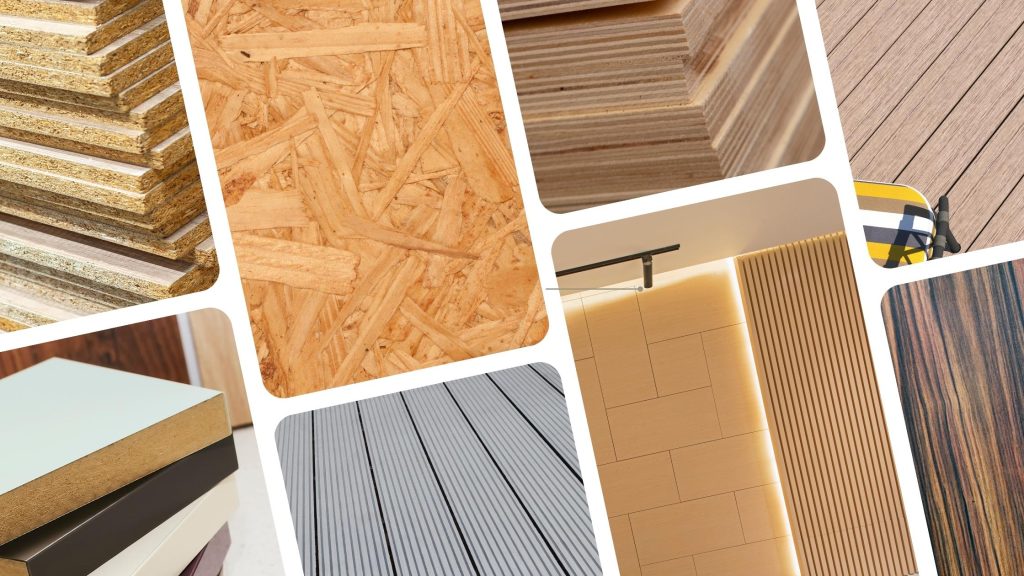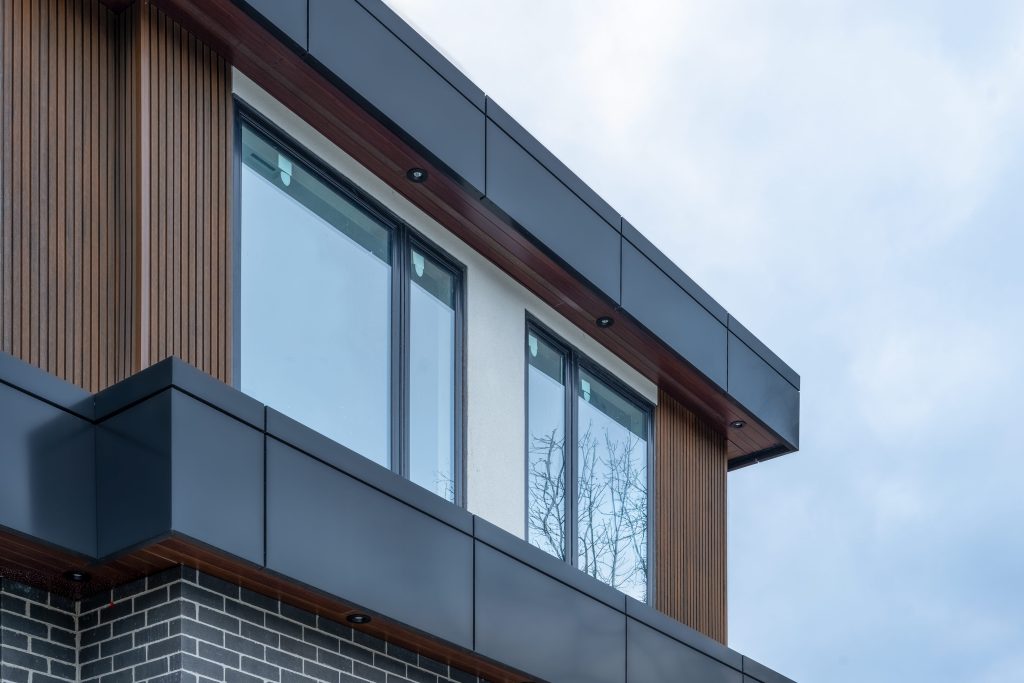

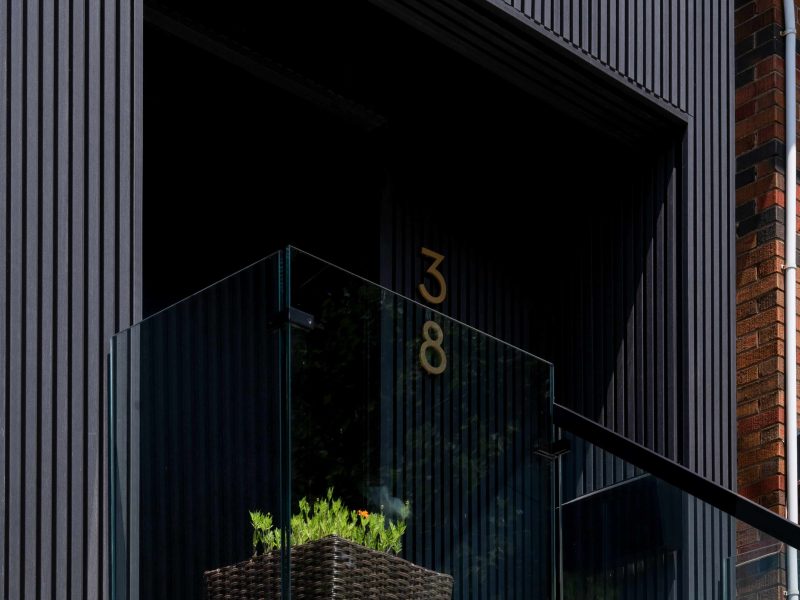
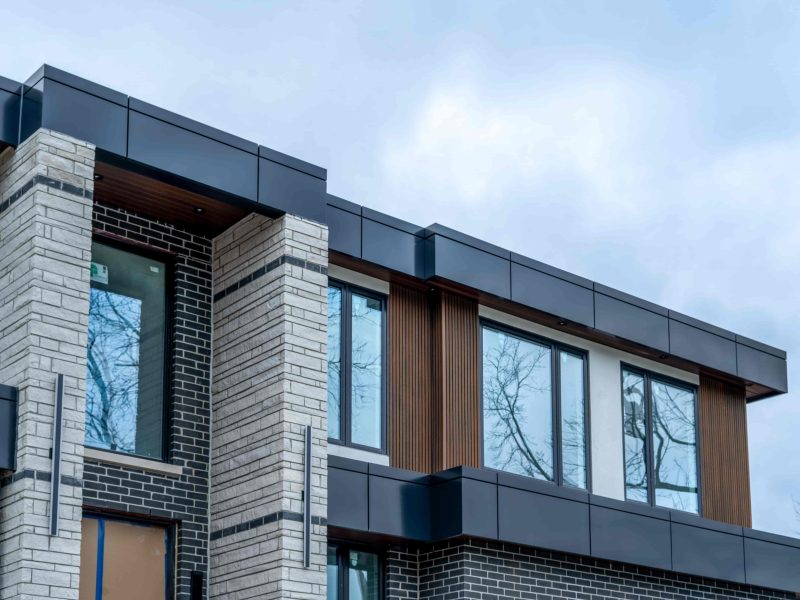
In the world of modern architecture and exterior design, texture is the new color. For decades, Toronto streetscapes were dominated by flat surfaces like standard vinyl, aluminum siding, or stucco. While functional, these materials often lack character and depth. Enter Fluted Siding. Also known as fluted cladding, or slatted siding, this architectural element has rapidly become the defining feature of high-end renovations and custom builds across the Greater Toronto Area (GTA).
The rhythmic vertical grooves create a dynamic interplay of light and shadow, transforming a static wall into a piece of art that changes appearance as the sun moves across the sky. However, the revolution here is not just about the shape; it is about the material. While the look mimics the warmth of natural timber, the industry has shifted toward a superior solution: Wood Plastic Composite (WPC).
As Toronto’s premier Manufacturer and Supplier of fluted siding, we have compiled this ultimate guide. Whether you are a homeowner looking to boost curb appeal, an architect seeking a durable specification, or a landlord seeking to maximize property value, this guide covers everything you need to know about WPC fluted siding.
What is WPC Fluted Siding?
To understand why this product is taking over the market, we must first define what WPC is. When people in the design community refer to “fluted siding” today, they are almost exclusively referring to composite materials rather than natural wood.
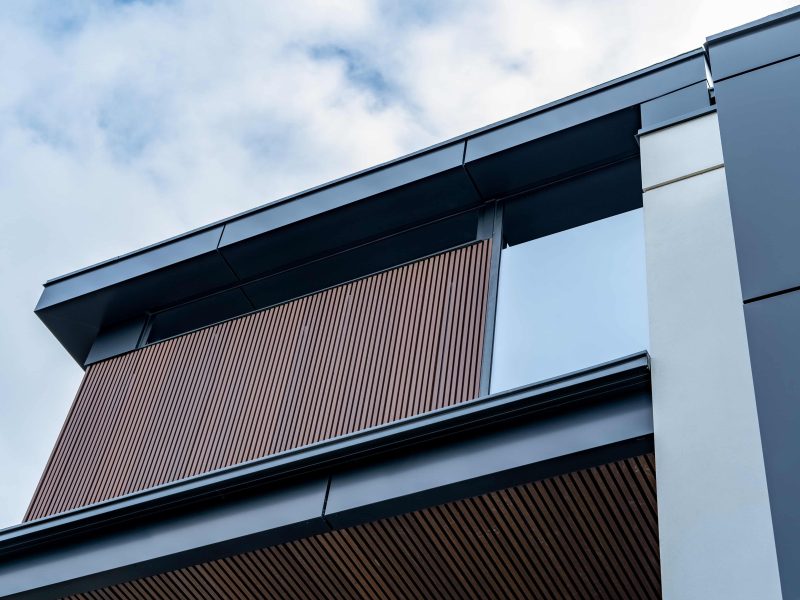 The Composition: Science Meets Nature
Wood Plastic Composite (WPC) is a hybrid material engineered for performance. It combines the best qualities of two distinct elements:
- Wood Fibers: Recycled hardwood fibers provide strength, natural texture, and the feeling of solidity.
- Thermoplastics: High-density polyethylene (HDPE) binds the fibers together, providing flexibility and complete resistance to moisture.
If you’re curious about how these materials are made, our article on the Wood Composite manufacturing process explains everything in detail.
The “Co-Extrusion” Difference
At Wiedehopf, our fluted siding utilizes advanced co-extrusion technology. This means the core of the panel is wrapped in a 360-degree protective outer shield (the “cap”). This outer layer is not just a coating; it is fused to the core during manufacturing.
- The Shield: This cap is impermeable. It blocks UV rays, resists stains, prevents scratching, and ensures the color you select is the color that remains for decades.
- The Core: The dense inner core provides the structural integrity required to withstand impact and wind loads.
Why Not Natural Wood?
While we love the look of Cedar or Ipe, they are organic materials that are fundamentally fighting a losing battle against the Ontario climate. Natural wood absorbs water. It swells in the humid Toronto summers and shrinks in the dry, freezing winters. This movement causes paint to peel, varnish to crack, and boards to warp. WPC fluted siding solves this physics problem by being dimensionally stable and hydrophobic (water-repelling). For anyone comparing siding materials, our detailed wood vs composite wood guide breaks down durability, cost, and long‑term performance.
The Wiedehopf Ecosystem: Seamless Outdoor Living
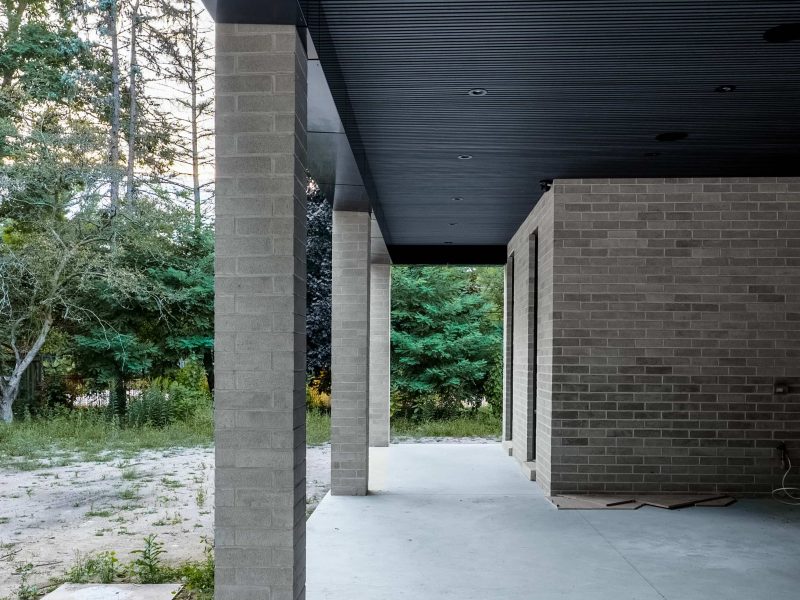
One of the most powerful design trends we are seeing in the GTA is the concept of “The Monolithic Outdoor Space.” This is the idea that your home’s exterior should not stop at the walls; it should flow seamlessly into the landscape. At Wiedehopf, we offer a unique advantage: Unified Color Technology. We manufacture different profiles for different uses, heavy-duty boards for decking, specialized panels for fencing, and lightweight fluted profiles for siding, but we use the exact same WPC material formulas and colors across the board. This allows architects and homeowners to create a perfectly matched design language across the entire property.
1. The Deck and the Wall
A common design mistake is pairing a composite deck with a wood siding that eventually fades to a different color.
- The Solution: You can select a Wiedehopf Composite Decking board for your floor and a matching Wiedehopf Fluted Siding panel for your walls. The profiles are engineered differently (the deck board is load-bearing and textured for grip; the siding is lighter and fluted for aesthetics), but the color tone is identical.
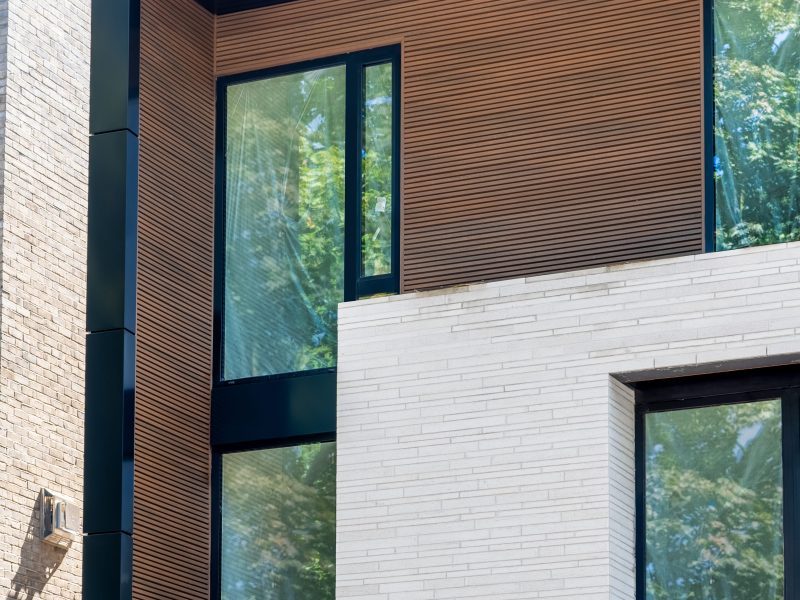 2. The “Invisible” Fence
Standard pressure-treated fences often clash with the elegance of a modern home.
- Unified Design: Use our specialized WPC fence boards or privacy screens in the same shade as your home’s cladding. This blurs the boundary of the home, making the property feel larger and more cohesive.
3. Gazebos and Pergolas
Backyard structures are often treated as afterthoughts. By using our WPC materials for gazebo pillars or rooflines, you tie the structure visually to the main house.
- Lighting: Fluted profiles are excellent for integrated LED strip lighting on gazebo ceilings, while matching flat WPC boards can be used for the structural posts.
4. Poolside Applications
Pool equipment sheds, changing rooms, and feature walls near the water require materials that can handle high humidity and splashes of chlorinated or salt water.
- Resistance: Our WPC profiles are impervious to pool chemicals that would strip the stain off natural wood.
- Aesthetics: A fluted feature wall with a waterfall weir (sheer descent) creates a stunning focal point.
The “Toronto Proof” Benefits
As a local supplier, we understand the unique building requirements that come with Toronto’s climate and regulations. Wiedehopf siding is engineered specifically to handle the “Four Seasons” test.
1. Freeze-Thaw Resistance
The biggest enemy of exterior materials in Ontario is the freeze-thaw cycle. Water enters a crack, freezes, expands, and breaks the material.
- The Solution: Because our WPC is capped and non-porous, it absorbs virtually zero water. If water cannot get in, it cannot freeze and crack the board.
2. UV Stability (Fade Resistance)
The summer sun in Southern Ontario can be intense. Standard vinyl siding often chalks or fades within 5 to 7 years. Natural wood turns grey in 1 to 2 years.
- The Solution: Our UV-inhibiting cap layer locks in the pigment. We offer industry-leading fade warranties because we know the product performs.
3. Pest Defense
Termites are a growing concern in several Toronto neighborhoods (specifically in the downtown and Etobicoke areas). Carpenter ants and bees are also common.
- The Solution: Insects cannot eat plastic, and they cannot digest the encapsulated wood fibers in our composite. Your cladding is 100 percent safe from biological attacks.
 Installation Basics for Builders and Architects
Note: This section provides an overview. Always refer to the specific Wiedehopf technical manual for your project.
WPC fluted siding is designed for ease of installation, but it requires adherence to specific protocols to ensure longevity.
The Rain Screen Principle
In Ontario, you cannot simply slap siding onto a wall. We advocate for a “Rain Screen” installation.
- Weather Resistive Barrier (WRB): The house is wrapped in a high-quality membrane.
- Furring Strips (Strapping): You must install vertical strapping (or horizontal, depending on panel orientation) to create an air gap. This gap allows moisture to drain away and air to circulate, keeping the wall assembly dry.
- Ventilation: Air must be able to enter at the bottom of the wall and exit at the top.
The Fastening System
Wiedehopf utilizes a hidden clip system. This serves two purposes:
- Aesthetics: No visible screw heads ruin the clean lines of the flutes.
- Expansion/Contraction: All composite wood materials expand and contract with temperature changes. Our clips allow the boards to “float” slightly. If you were to screw through the board directly, you might pin it in place, causing it to buckle when the temperature rises.
 Applications for Different Audiences
For Homeowners: Curb Appeal and Value
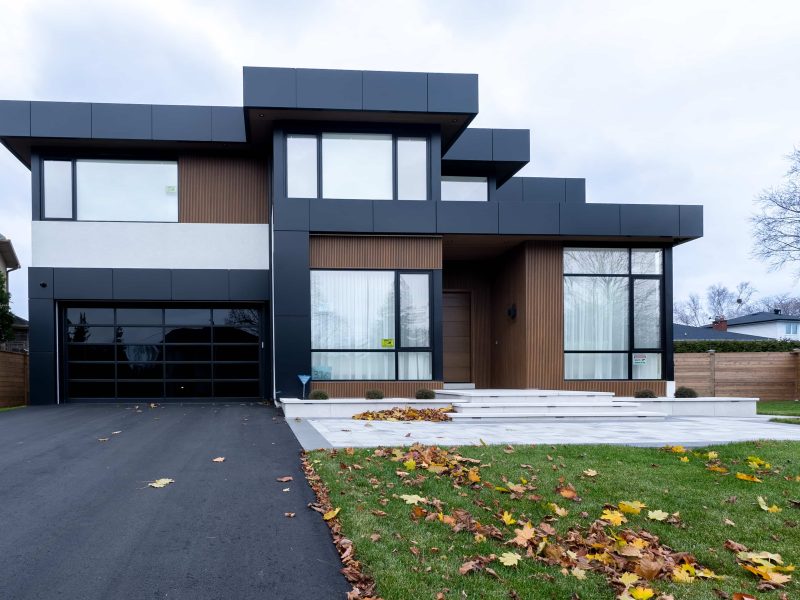
Updating your siding is one of the most effective ways to increase property value. According to the National Association of Realtors, 92 percent of realtors suggest improving curb appeal before listing a home for sale. Replacing dated aluminum or peeling wood with Wiedehopf fluted siding instantly shifts a home into the “Luxury” category.
For Architects: Design Flexibility
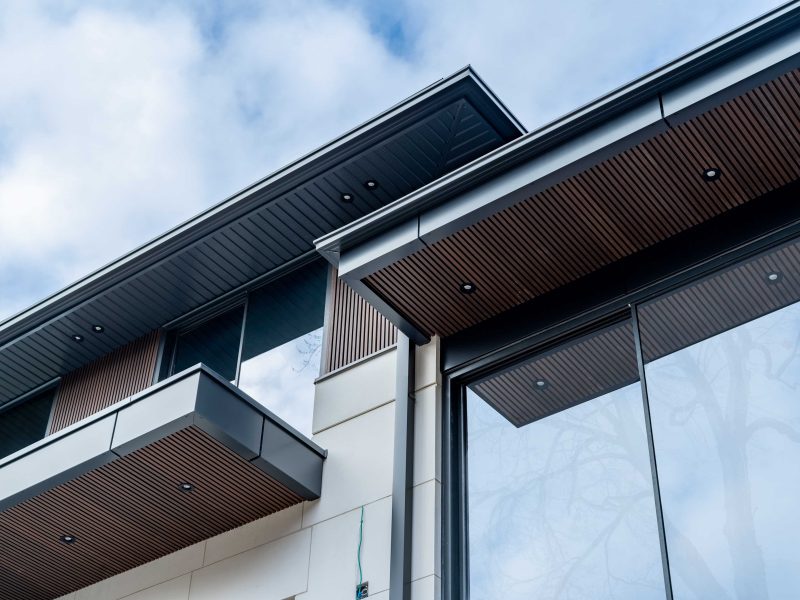
Our profiles allow for mixing and matching. You can combine wide-flute profiles with narrow-flute profiles to create custom rhythms on the facade. The material is also heavy enough to feel substantial but light enough to be used on retrofits without requiring structural reinforcement of the foundation.
For Builders: Speed and Reliability
Time on site is expensive. Our interlocking tongue-and-groove systems and clip installations are faster than traditional open-joint wood cladding, which requires precise measuring of every single gap. With Wiedehopf, the gap is engineered into the board.
 Cost vs. Value Analysis
When budgeting for a project, it is vital to look at the “WPC Lifecycle Cost” rather than just the “Day One Cost.”
- Natural Wood (Cedar/Ipe): High initial material cost + High installation labor + High recurring maintenance costs.
- Wiedehopf WPC: Moderate to High initial material cost + Lower installation labor (faster) + Zero recurring maintenance costs.
Investing in premium siding pays off. Furthermore, the shift toward low-maintenance materials is global. According to Grand View Research, the global wood-plastic composite market size is expected to expand significantly through 2030, driven specifically by the demand for building materials that do not require painting or sealing.
 Frequently Asked Questions (FAQs)
Q: Can I install Wiedehopf fluted siding vertically and horizontally?
A: Yes. The system is versatile. Vertical installation is currently very trendy for creating height, while horizontal installation creates a sense of width and grounding.
Q: Is the material fire-rated?
A: We offer different product lines with various fire ratings suitable for residential and commercial codes. Please contact our Toronto office for specific data sheets required for your permit application.
Q: Does the color fade over time?
A: Our “Shield” technology offers superior fade resistance. While all materials experience slight settling in color during the first few weeks of exposure, our product is engineered to maintain its tone for decades, unlike uncapped composites or wood.
Q: Can I use the fluted siding on my deck floor?
A: No. Fluted siding profiles are designed for vertical applications (walls, ceilings, fencing). For walking surfaces, you should use our Composite Decking profiles. They are made of the same durable WPC material and come in the exact same colors, but they are thicker and engineered to bear weight.
Q: Where is Wiedehopf located?
A: We are based in Toronto. We hold local stock, meaning you don’t have to deal with supply chain delays from overseas. You can get your material when your project is ready.
 Conclusion
Your property’s exterior is its first impression and its first line of defense. In a city as dynamic and weather-intensive as Toronto, you need a material that can stand up to the elements without sacrificing style. Wiedehopf Wood Plastic Composite fluted siding offers the perfect balance. It provides the warmth and beauty of timber, the seamless design capability for fences and decks, and the rugged durability of modern engineering. Whether you are designing a backyard oasis with a matching deck and fence, or recladding a multi-story commercial building, Wiedehopf is your local partner for premium cladding solutions.
Ready to Start Your Project?
Don’t rely on small samples or online photos. Experience the texture and quality firsthand. [Contact us] today to speak with a specialist or request a Sample Kit to see how our fluted siding can transform your next build.