

The diverse climate in Canada, ranging from hot, humid summers to severely cold winters, means there is much to consider when selecting home construction materials. Every component must be chosen based on its compatibility with the elements—particularly humidity, high heat, rain, and frost. Making the right decision is critical. When looking for the best sidings for house renovations in Canada, you need a material that balances aesthetics, budget, and extreme durability. This article will examine the most popular types of sidings for house exteriors in Canada, weighing their benefits and drawbacks to help you make an informed choice.
1. Vinyl Siding
Vinyl siding is made from polyvinyl chloride (PVC) and is one of the most common materials found on Canadian homes due to its low entry price. Modern vinyl siding is manufactured to meet rigorous standards set by the [Vinyl Siding Institute], ensuring better color retention than in the past.
Pros:
- Cost-Effective: Vinyl tends to be the most budget-friendly option upfront.
- Low Maintenance: It generally only requires occasional cleaning with a hose.
- Variety: Available in many colors to fit various design preferences.
Cons:
- Temperature Sensitivity: It is sensitive to extreme heat (warping) and extreme cold (cracking/brittleness).
- Aesthetics: While it has improved, it can sometimes look “plastic” compared to natural materials.
 2. Wood Siding
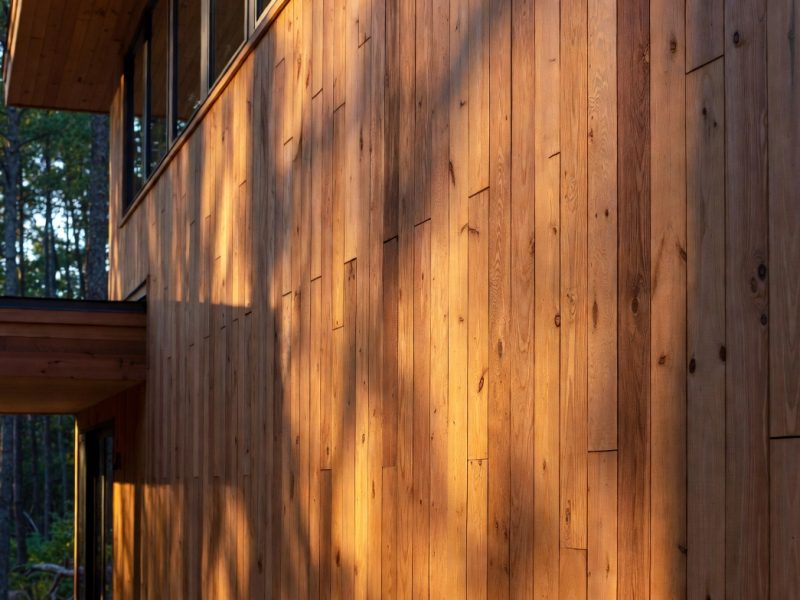
Wood siding is crafted from natural timber such as cedar, pine, and redwood. It is the traditional choice for a rustic or classic aesthetic.
Pros:
- Aesthetic Appeal: Produces a warm, natural finish that is easy to stain or paint.
- Insulation: Wood offers natural thermal properties.
- Sustainability: If harvested from sustainably managed forests, it is an eco-friendly choice.
Cons:
- High Maintenance: It must be repainted or sealed frequently to prevent decay.
- Vulnerability: Susceptible to rot, woodpeckers, termites, and moisture damage.
- Fire Risk: Wood is a combustible material.
 3. Fiber Cement Siding
This material is made from a blend of cement, sand, and cellulose fiber. It is designed to mimic wood or masonry but with higher durability. Professional installation is recommended for fiber cement to ensure safety standards regarding silica dust, as outlined by the [CCOHS], are met.
Pros:
- Durability: It does not rot and handles freeze-thaw cycles well.
- Fire Resistance: It is non-combustible.
- Versatility: Can mimic wood grain, stucco, or smooth finishes.
Cons:
- Weight: It is heavy, requiring significant structural support and higher labor costs.
- Moisture Absorption: If the finish is damaged, it can absorb moisture, which may lead to delamination over time.
 4. Engineered Wood Siding
Distinct from natural wood, engineered wood (such as LP SmartSide) is made from wood strands that are coated with wax and resin binders, then compressed for strength.
Pros:
- Easy Installation: It is lighter than fiber cement and easier to cut, often resulting in lower installation costs.
- Impact Resistance: It handles hail and physical impacts better than vinyl or fiber cement.
- Traditional Look: It offers the deep texture of real wood without the knots and imperfections.
Cons:
- Moisture Maintenance: While treated against rot, any cut edges must be carefully painted/sealed during installation to prevent water intrusion.
 5. Brick Veneer
For homeowners who love the look of a solid brick house but cannot afford full masonry construction, brick veneer is a popular siding option. It consists of a single layer of brick installed over a wooden frame.
Pros:
- Longevity: Brick can last a lifetime with minimal maintenance.
- Fireproof: It offers excellent fire protection.
- Resale Value: Often adds a perception of high value to the home.
Cons:
- Cost: It is significantly more expensive than vinyl or wood.
- Labor Intensive: Installation requires skilled masons and takes longer than hanging panels.
 6. Stucco and EIFS
Stucco is a cement-type mixture made of sand, lime, and water. In Canada, a modern version called EIFS (Exterior Insulation and Finish Systems) is popular because it includes an insulation layer.
Pros:
- Energy Efficiency: EIFS adds a continuous layer of insulation to the home’s exterior.
- Seamless Aesthetic: It provides a clean, modern look without visible seams.
Cons:
- Cracking: Rigid stucco can crack as the house settles or during freeze-thaw cycles.
- Water Issues: If not installed perfectly, water can get trapped behind the stucco, rotting the wood structure underneath.
 7. Stone Veneer
Stone veneer provides the look and texture of natural stone but is lighter and easier to install. It is often used as an accent feature alongside other sidings for house facades.
Pros:
- Curb Appeal: Offers a high-end, luxury look.
- Durability: Highly resistant to physical damage.
Cons:
- Cost: It is one of the most expensive siding options.
- Installation: Requires skilled masonry work to ensure water doesn’t get trapped behind the stone.

8. Aluminum Siding
Aluminum siding was incredibly popular in the mid-20th century and remains a viable option today, particularly for specific architectural styles or coastal regions. It is a soft metal known for being lightweight and rust-proof.
Pros:
- Rust-Proof: Aluminum does not rust, making it excellent for areas with high moisture or salt air.
- Fire-Resistant: It is non-combustible.
- Eco-Friendly: It is often made from recycled materials and is fully recyclable at the end of its life.
Cons:
- Denting: Because it is a soft metal, it dents and scratches very easily (e.g., from hail or leaning a ladder against it).
- Fading: Older aluminum siding can suffer from “chalking,” where the color fades and leaves a powdery residue.
 9. Steel Siding
Steel siding is the heavy-duty cousin of aluminum. It offers a similar industrial look but with significantly more strength. It is typically galvanized and coated with a finish to protect the raw metal.
Pros:
- Strength: It is highly resistant to dents and impacts, unlike aluminum.
- Low Maintenance: Modern steel finishes are very durable and require little upkeep.
- Aesthetic: It provides a crisp, clean look that holds paint color very well over time.
Cons:
- Rust Risk: While the coating protects it, if the steel is scratched deep enough to expose the core, it will rust.
- Weight: It is heavier than aluminum, making it slightly harder to cut and install.
- Cost: It is generally more expensive than aluminum and vinyl.
 10. Modern Composite Siding Options
“Composite” is a broad term that refers to materials made from a mixture of two or more substances. In the Canadian market, this category has grown significantly because it solves the maintenance issues of wood and the fragility of vinyl. There are two main types of composite sidings for house projects that are gaining popularity:
A. Wood Plastic Composite (WPC)
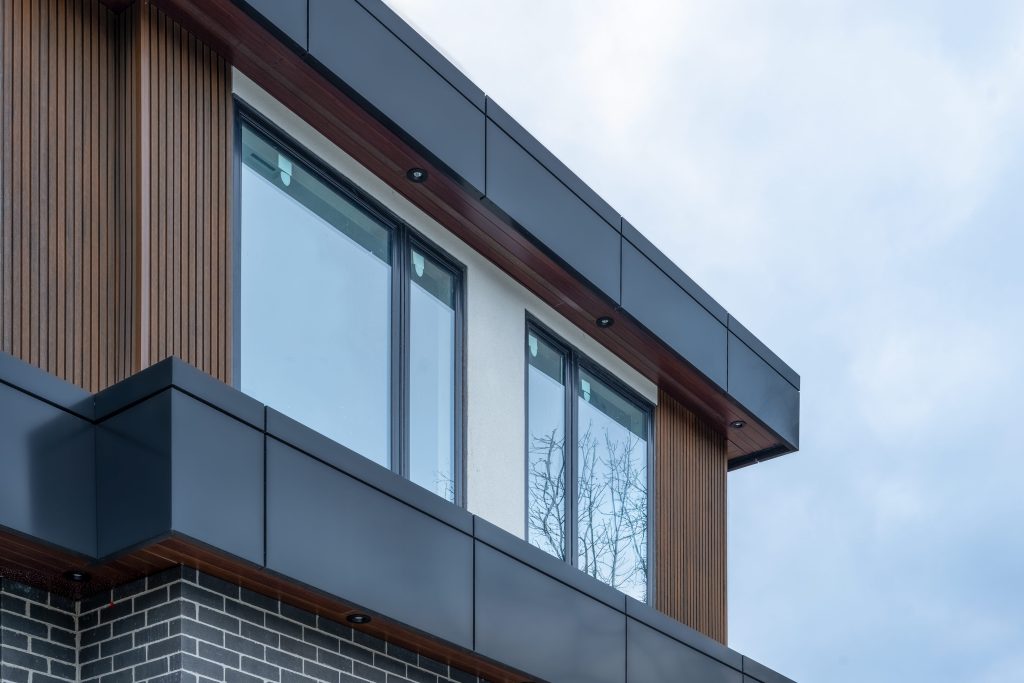
WPC is a hybrid material that combines wood fibers (often recycled) with thermoplastics. It is designed to look and feel like natural timber but without the risk of rot.
Pros:
- Natural Look: High-quality WPC offers deep wood grain textures.
- Durability: It resists rot, insects, and warping better than natural wood.
- Low Maintenance: Unlike wood, it never needs painting or staining.
Cons:
- Heat: Darker colors can retain heat in direct sunlight.
 B. Aluminum Composite Panels (ACP)
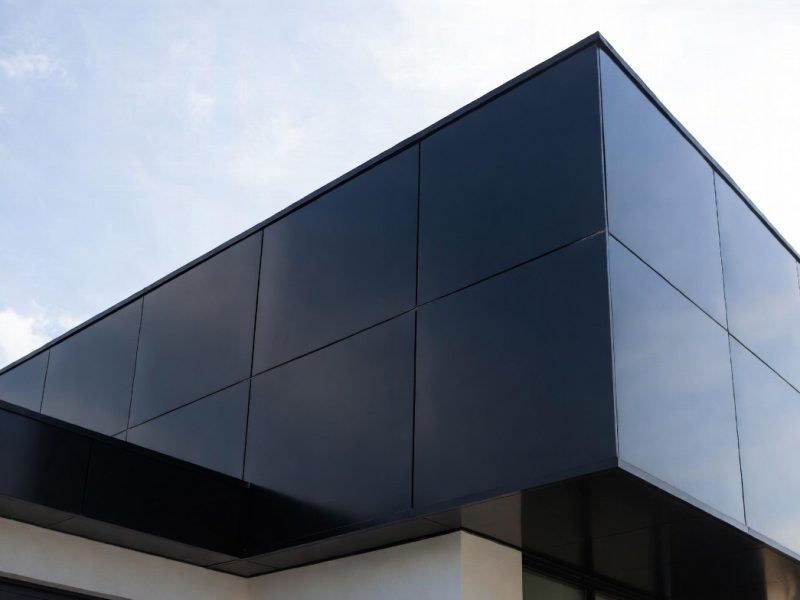
ACP consists of two thin coil-coated aluminum sheets bonded to a non-aluminum core. This is the material often seen on modern, high-end homes and commercial buildings.
Pros:
- Modern Aesthetic: Creates a sleek, flat, and contemporary look that traditional sidings cannot match.
- Rigidity: The panels are incredibly flat and do not “oil can” (ripple) like standard metal siding.
- Zero Maintenance: ACP is widely considered one of the lowest maintenance options available.
Cons:
- Style Specific: It is best suited for modern or contemporary architecture rather than traditional styles.
Summary: Which Siding is Right for You?
There is no single “best” siding, as the right choice depends on your specific goals:
- For tight budgets: Vinyl is likely the most accessible option.
- For traditionalists: Natural Wood, Engineered Wood, or Brick Veneer.
- For durability: Steel or Fiber Cement.
- For modern design & low maintenance: Aluminum Composite Panels (ACP) or Wood Plastic Composite (WPC) are excellent choices. They offer superior longevity and handle the Canadian climate with minimal upkeep.
- When choosing a siding, consider its R-value and how it fits into your home’s overall energy efficiency strategy as recommended by [Natural Resources Canada].
Siding Options in Canada
Are you interested in exploring different types of sidings for house renovations?
Wiedehopf specializes in modern exterior solutions, including high-performance composite and metal cladding systems. If you are unsure which material suits your home’s architecture and your budget, we are here to help guide you through the options.

2 Comments. Leave new
In the market for new siding for our home; currently acquiring quotes
Location: 41 Summerhayes Crescent
Brantford ON
Thank you for connecting! For more information, please feel free to call us at 905-761-1100.